
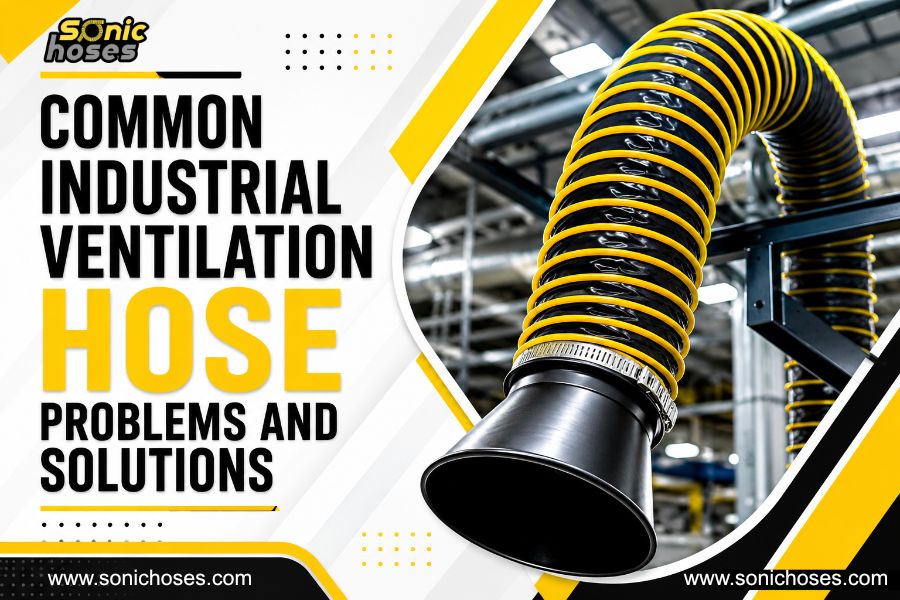
Ventilation hoses are an important thing used in Industries. It is used by Industries to maintain safe and clean working environments across various manufacturing facilities. The ducts of the hoses are flexible and it extracts the harmful fumes, airborne dust, and dangerous chemical vapors directly from the work area to protection systems. By understanding how to manage these systems effectively You can prevent expensive operational delays and safeguards employee health on the production floor.
What is Industrial Ventilation Hose Management?
Industrial ventilation hose management needs the correct selection, installation, and maintenance of flexible ducting systems because it is used to move air and airborne materials. These specialized hoses connect heavy machinery to central exhaust systems to ensure that contaminants do not escape into the general workspace. Proper management ensures that air flows smoothly without issues while keeping energy costs low and productivity levels high.
- System Integrity Preservation Maintaining the structural wholeness of your ducting layout prevents toxic gases from leaking back into the factory atmosphere. Regular checking may help you to identify small cracks or loose connections before they turn into big safety hazards for your staff.
- Airstream Efficiency Optimization Correct hose alignment and diameter selection keep air moving at the correct speed to carry heavy dust particles away effectively. When air velocity drops due to poor hose conditions, debris settles inside the line and it can create dangerous blockages.
- Operational Safety Compliance Using the correct hose materials ensures that your industry meets official health guidelines and avoids any regulatory fines. Well maintained ventilation systems create a clean environment
Uses, Benefits & Overview
1. Managing High Temperatures
Industrial processes like welding or glass manufacturing generate extreme heat that can melt standard ducting materials quickly, so it is important that the facilities must have specialized silicone or fiberglass hoses that can withstand extremely high temperatures without losing their shape or sealing capabilities. These heat resistant hoses will ensure that the hot exhaust air travels safely out of the building without creating any fire risks.
2. Resisting Chemical Exposure
Chemical plants and laboratories sometimes handle aggressive vapors, but it can corrode standard rubber or plastic hoses within weeks. Operators must use advanced plastic linings like Teflon. This ensures that the hose walls do not degrade when contacting acidic fumes. Selecting the correct chemical resistance prevents toxic leaks and extends the service life of the entire extraction system.
3. Controlling Material Abrasion
Moving gritty particles like wood chips, metal shavings, or cement dust causes severe internal wear on flexible duct walls. But these thick polyurethane hoses give excellent abrasion resistance to handle these sharp particles without puncturing or tearing open. Investing in tough materials reduces the frequency of hose replacements and keeps heavy machinery running smoothly.
4. Keeping Flexibility and Bend Radius
Industrial workspaces sometimes have tight corners and moving machinery that need highly flexible air ducting solutions. But the Hoses with external wire helix reinforcement can bend sharply without kinking or restricting the vital airflow inside. Proper flexibility allows the exhaust hood to move with the automated machinery without straining the connection points.
5. Preventing Static Electricity Build Up
Moving dry powders or dust through plastic hoses can create friction and It can also generate dangerous static electricity sparks so it is important for Industries to use anti static hoses with grounded copper wires to safely dissipate these electrical charges into the earth. These safety features prevent dangerous dust explosions in environments handling flammable materials like flour or wood dust.
6. Handling Positive and Negative Pressure
Ventilation systems push fresh air into tight spaces or suck contaminated air out using powerful industrial fans but hoses must have the structural strength to resist collapsing under vacuum pressure or bursting under positive pressure. Matching the hose pressure rating to your fan specifications will help to prevent any kind of sudden structural failures during the daily operations.
7. Reducing System Pressure Drop
Excessive friction inside a rough or heavily ribbed hose can slow down the air movement and forces fans to work much harder, but using hoses with smooth interior walls allows the air to go through with no effort and also only with minimal resistance or energy loss. This efficiency reduces your monthly power bills and keeps good and consistent suction power at the extraction point of the hose.
8. Tolerating Environmental Wear
Ventilation hoses installed outdoors must be able to withstand harsh sunlight, freezing temperatures, and heavy rain without any cracking or rotting. Selecting UV resistant materials like specialized rubber blends ensures the outer jacket does not become brittle over time. Protecting hoses from weather damage prevents unexpected outdoor splits that ruin the suction of indoor hoods.
9. Simple Installation
Lightweight flexible hoses are much easier and faster to install than rigid metal ductwork around difficult factory layouts. Workers can easily cut flexible ducting to the correct length needed and they can secure it using hose clamps. This ease of installation reduces wastage of time during maintenance time and reduces initial setup labor costs.
10. Regular Maintenance
Flexible ventilation hoses can be disconnected quickly to allow maintenance people to clear out internal dust and debris accumulations easily. Smooth cleaning routines prevent heavy dust and debris buildup from weighting down the hose and causing physical support failures. Keeping hoses clean will keep your ventilation system working at its best.
Conclusion
Maintaining industrial ventilation hoses is important because it helps to preserve air quality and ensure high operational efficiency in modern factories.The common issues are chemical degradation, abrasive wear, and static accumulation. By understanding these issues you can apply effective solutions before any system failures happen, so investing in the correct hose materials and conducting routine checks creates a safer, cleaner, and more productive industrial workplace. To know more about industrial hoses and its wide range of applications, contact us at Sonic Hoses.