
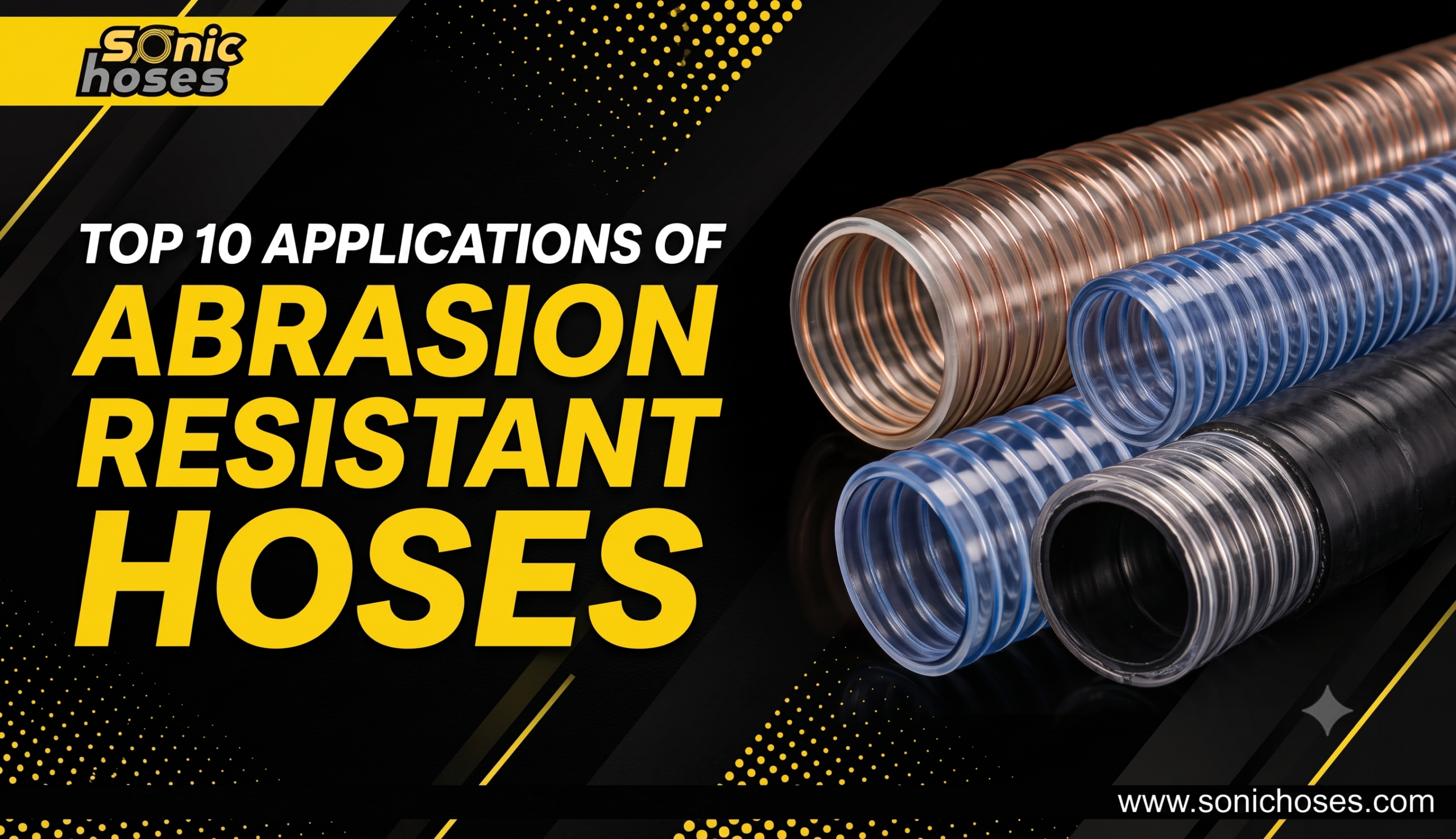
Abrasion resistant hoses are intended to survive in highly abrasive conditions and allow industries to move abrasive materials in safety without the fear of constant leakage or damage. Here is a comprehensive look at the most important practical uses of these special hoses.
What Is an Abrasion Resistant Hose?
This special hose is a tube that contains multiple abrasion resistant layers of material that prevent any damages due to repeated rubbing or scratching of its surfaces. The hose protects the internal contents from all these factors, allowing them to flow freely inside it.
Durable Surface Protection
As mentioned above, these special hoses have an outer layer, which is made of durable artificial rubber or polymer materials. It creates a layer of protection against sharp objects like stones and metal parts.
Structural Reinforcement
Spiraled wires or special fabrics, used in the interior of abrasion resistant hoses, provide their reinforcement under extreme pressures. They do not restrict the flexibility of the hoses but prevent their deformation under stress.
Longer Lifespan
Due to its special surface wear resistance, abrasion resistant hoses last significantly longer than ordinary rubber hoses.
Top 10 Uses for Abrasion Resistant Hoses
1. Mining and Slurry Transport
Miners depend on abrasion resistant hoses to convey abrasive mineral slurry, crushed ores, and rough gravel through tough job sites. The friction generated by moving rough particles at such high speeds would quickly wear holes in ordinary rubber hoses, resulting in serious leaks. These heavy-duty industrial hoses guarantee smooth transport of materials while surviving repeated dragging over rough rocks and sharp materials outdoors.
2. Building and Concrete Pumping
The transportation of concrete requires heavy-duty flexible hoses that can withstand pressure, and scraping by the sand and crushed rocks contained inside the hose. Regular lines wear out due to this tough friction on the walls, which results in downtime and safety hazards for people working on construction sites. Abrasion resistant hoses provide a reliable supply of concrete to building frameworks while remaining burst resistant and avoiding deterioration due to tough use.
3. Sand Suction and Maritime Dredging
Dredging operations on the ocean floor employ powerful suction hoses to remove ocean floor sediment, heavy silt, and rough seabed gravel from navigable shipping channels. Floating hoses encounter constant wear due to the waves and rough friction along the walls caused by pulling up rough seabed materials. Abrasion resistant hoses eliminate puncture problems that would otherwise cause underwater line ruptures and loss of pressure.
4. Industrial Material Pneumatic Conveying System
Industries utilize high-speed pneumatic air lines to convey dry powders, plastic pellets, grain, and wood chips from one processing stage to another. The fast-moving materials create friction within the inner walls of the hose and generate heat, causing the material to thin over time in extended production periods. Using abrasion-resistant hoses ensures that conveying systems remain airtight, prevents any form of contamination of the material, and saves on frequent replacements of the pipes in busy industrial factories.
5. Agricultural Grain and Fertilizer Transport
Farmers and suppliers of agricultural products use special transfer hoses during the harvest season to transfer grains, seeds, and dry bulk fertilizers into the silo. Grains’ sharp hulls and chemical fertilizers with granules exert strong force against the inner linings of the hose while transferring them in large volumes. The use of abrasion resistant hoses ensures that there are no cuts in the surface of the hoses, prevents the leakage of fertilizers, and withstands harsh farm environments as they are towed behind tractors.
6. Road Sweeping and Vacuum Trucks
Vacuum trucks for municipalities use large suction hoses to remove dirt, glass pieces, and metal wastes from roads. The flexible hoses are continuously dragged over rough asphalt and suffer impact on their inner walls because of flying street waste materials. Municipal trucks should be fitted with abrasion-resistant hoses to ensure an efficient city cleaning process, prevent any breakage of the hoses, and save on maintenance costs.
7. Industrial Tanker Truck Bulk Material Discharge
Industrial tanker trucks transport abrasive dry raw materials such as cement, fly ash, lime and plastic grains to manufacturing plants. Unloading the materials under pressure via air compressor creates friction between the material being discharged and the hose material. Abrasion resistant hoses provide a quick unloading process, prevent potential line burst while discharging the materials, and protect the valuable cargo from any weather elements.
8. Metal Processing Operations in Foundries
Steel mills and metal foundries work in extremely harsh conditions where sparks, molten metal splashes, and metal scraps fly around. The rubber hoses disintegrate immediately when subjected to abrasive scrap metals and surface dragging across the factory floor. Abrasion resistant hoses withstand surface wear and tear, and protect the line from severe mechanical abuse while transferring fluids near foundry equipment.
9. Chemical and Fuel Transfer
Chemical or petroleum transport involves both internal chemical resistance and external abrasion protection for the hoses. Dockside loading arms and fuel delivery trucks drag the hose lines on concrete driveways, steel deck and rough wooden dock areas. The use of dual purpose abrasion resistant hoses ensures safe transfer of chemicals while preventing hazardous fuel leaks due to external hose line abrasions.
10. Timber Processing and Recycling
The processing of timber requires the use of robust suction and discharge hoses for removing sawdust, wood chips, and wood bark that is coarse. The constant abrasion due to wood particles traveling at very high speeds will cause the normal lining in a hose to wear out very quickly. Specialized abrasion resistant hoses withstand the extreme friction of timber dust while providing strong suction force and greatly reducing the risk of fires in woodworking sites.
Conclusion
Abrasion resistant hoses play an important role in several industries that would not be able to function normally with normal hoses because the normal hose will wear out too quickly due to extreme wear and tear. Getting the right heavy duty hose will help avoid costly downtime, keep workers safe from possible hose bursts, and eliminate the cost of buying new hoses all the time. If you wish to know more about abrasive hoses and their application, contact our experienced team at Sonic Hoses!